Bladegrove Independent Review · Locations

Discover the Diverse Locations in Grass Cutter: Blade Runner 3D

Grass Cutter: Blade Runner 3D keeps its casual mowing loop fresh by moving you through a range of outdoor spaces. From cosy gardens to sweeping farm fields, each location type reshapes how you plan paths, dodge objects and enjoy that satisfying cut-versus-uncut contrast.

Panoramic collage of gardens, parks, farms and open fields from a colourful 3D mowing game.
A broad look at the main environment types you mow through in Grass Cutter: Blade Runner 3D.

Outdoor worlds that shape the mowing journey

Locations in Grass Cutter: Blade Runner 3D are more than backdrops. Each space gently adjusts how you approach the core cutting loop: plotting routes, threading between props, and carving clean patterns into thick grass. As you move from small yards to wider landscapes, runs feel more expansive, but still relaxed and session-friendly.

  • Gardens
  • City parks
  • Farms
  • Open fields
From intimate starter yards to broad challenge zones

Gardens: Tranquil Beginnings

Lively starter spaces that teach the joy of before-and-after mowing.
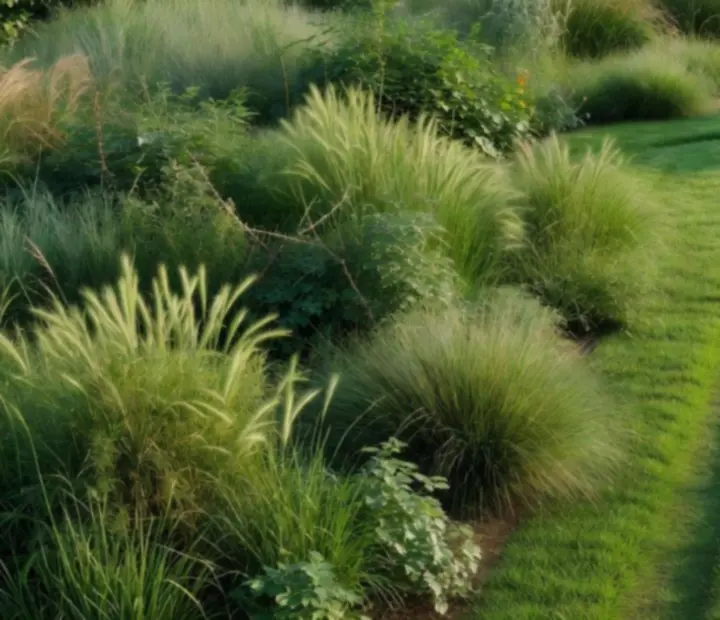
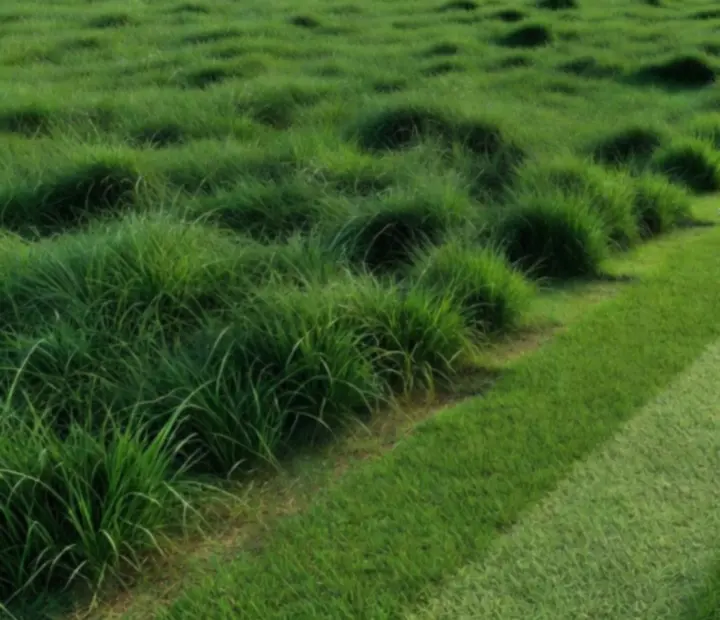
Before: Overgrown paths After: Clean curves
Overgrown garden lawn compared with the same space neatly cut into smooth curved paths.

Gardens are where you first feel the core appeal of Grass Cutter: Blade Runner 3D: steering a compact cutter through tangled patches and leaving polished routes behind you. These enclosed yards typically feature clear borders, simple props and cosy shapes that highlight contrast between the messy starting state and the cleaned-up result.

Because gardens are smaller in scale, each pass turns into an instantly readable improvement: a messy corner becomes a defined curve, and cramped walkways open into soft, rounded clearings. This makes them ideal for learning how far your cutting arc reaches and how tight you can safely steer around decorative elements.

  • Neatly framed flowerbeds and edging emphasise the cut-versus-uncut line
  • Shorter runs make completion feel quick and low-pressure
  • Gentle layouts let you focus on responsiveness and visual feedback

As early-game hubs, gardens help you settle into the game’s relaxing rhythm before larger locations introduce more demanding planning.
City Parks: Community Green Spaces

Open lawns, curved paths and everyday obstacles keep runs varied.

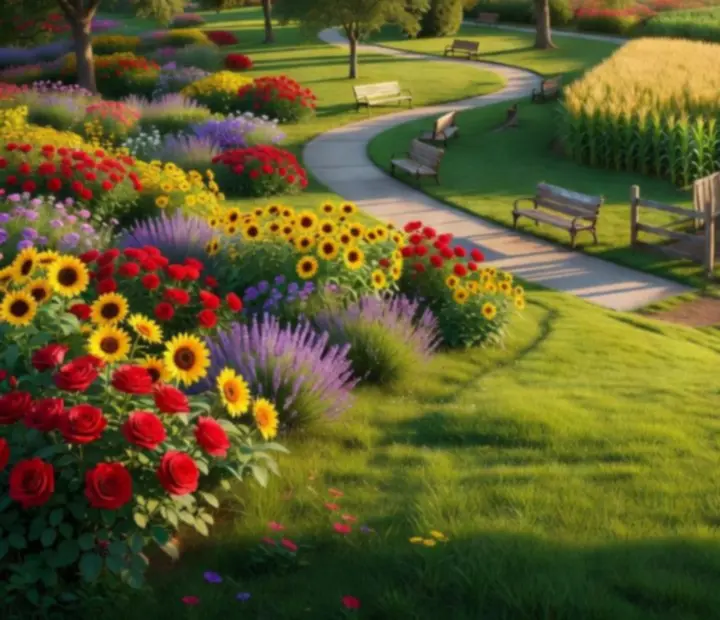
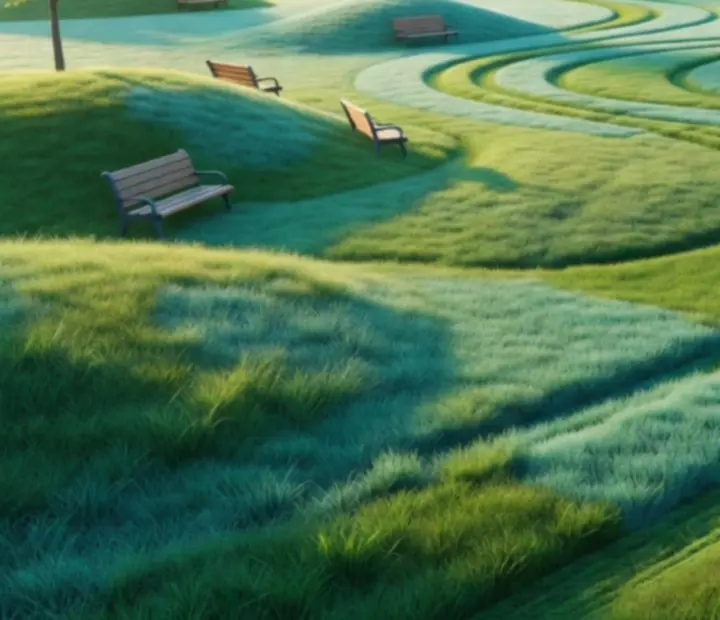
Curving park paths and lawns with benches and play areas scattered across a bright green field.
A park-style field with curved paths, seating and play structures influencing mowing routes.

After the intimacy of garden plots, city parks open things up. Lawns stretch wider, paths meander, and you start weaving around more everyday objects such as benches, play zones or decorative fixtures. These additions gently complicate how you lay down clean mowing lines.

Because parks are built as relaxed public spaces, they naturally fit the game’s calm tone. You still get that satisfying striping effect as you tidy each area, but the slightly larger scale encourages you to think a step or two ahead, planning arcs that avoid doubling back too often.

  • Curving pathways act as guides for flowing, circular mowing patterns
  • Scattered obstacles prevent runs from feeling like flat rectangles
  • Community layout reinforces the sense of shared, sunlit spaces

These park levels sit comfortably between starters and more demanding landscapes, helping progression feel natural rather than abrupt.

Farms: Wide Open Fields

Broader rural spaces that ask for creative, satisfying route planning.

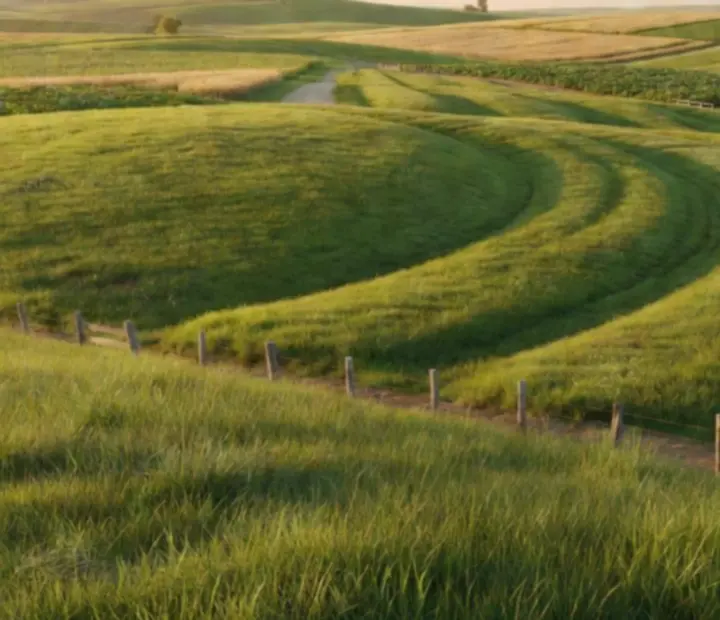
A large rural field with crop rows, fences and mown tracks cutting through tall grass.
A wide farm field showing mown paths between rows and rustic fencing.

Farm environments take the core mowing loop and stretch it across much wider ground. Instead of small pockets, you work through longer swathes of grass, often framed by crop rows or rustic fencing. This scale makes each decision about where to turn or when to switch direction feel more impactful.

Because farm layouts are comparatively open, it becomes easier to create long, continuous passes that highlight the game’s striped visual patterns. At the same time, their size can increase the chance of retracing your path if you don’t plan routes with a bit of foresight.

  • Broader fields reward efficient, parallel mowing lanes
  • Subtle elevation or object placement nudges you towards more deliberate planning
  • Finishing a plot delivers a strong sense of clearing something substantial

For players who enjoy a slightly more strategic feel without sacrificing the game’s calm character, farms are a natural highlight.

Open Fields: Spacious Challenge Zones

Vast spaces where curved tracks and broad sweeps test your efficiency.

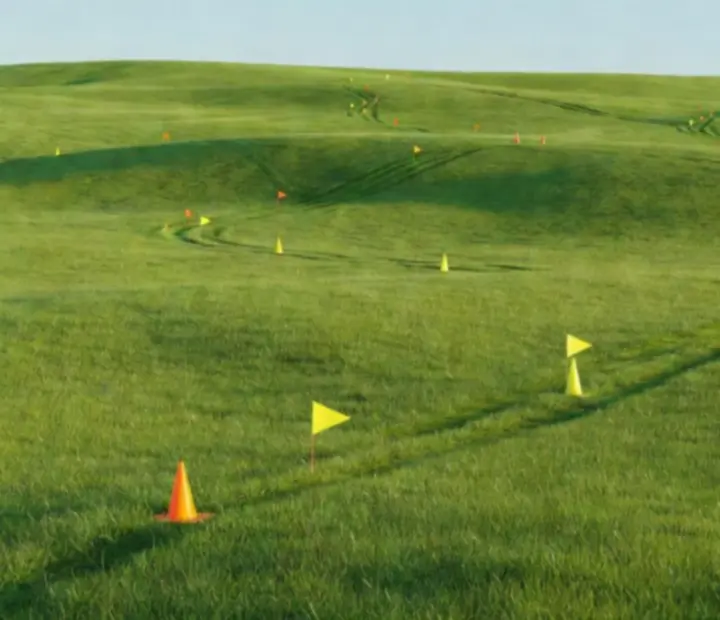
A huge open field with visible curved mowing tracks and scattered objects marking progress.
An expansive open field showing broad curves and partial mowing progress.

Some stages move beyond structured farms into almost free-form open fields. Here, the emphasis lands on how you impose order on a largely blank canvas. Sparse objects dot the space, giving you reference points while still leaving enough room for broad arcs and looping cuts.

These zones can feel especially relaxing for players who enjoy zoning out into repeated motions. At the same time, because they are so large, they can expose the repetitive side of the mowing loop more quickly if you prefer compact, puzzle-like layouts.

  • Wide sweeps highlight the scale of transformation from wild to tidy
  • Curved tracks and improvised patterns stand out clearly against tall grass
  • Scattered objects and edges keep you from drifting entirely into aimless motion

Open fields are where you most strongly feel the trade-off between soothing repetition and the risk of over-familiar tasks, especially in longer sessions.

Satisfying Visual Progress

Consistent feedback that makes every finished strip feel worthwhile.

Overgrown Striped and tidy
Patchy, overgrown grass transitioning into crisp, geometric mowing stripes.

Across gardens, parks, farms and open fields, Grass Cutter: Blade Runner 3D leans heavily on visual progress to keep the experience rewarding. Thick, colourful grass textures shift into neat stripes or smooth curves as you pass, clearly marking what’s done and what still needs attention.

This clarity matters in a game built around repetition. When each movement leaves a visible path, sessions rarely feel aimless: you can zoom out mentally and still see exactly how much of a field you’ve transformed. Different locations emphasize this in different ways, whether through small decorative pockets or large, geometric sections.

Even without on-screen scores or ratings, the visual transformation alone delivers a clear feeling of completion and helps each area feel meaningfully “done”.

Environment Diversity and Level Pacing

Because layouts vary in size, density and obstacle placement, Grass Cutter: Blade Runner 3D avoids making you repeat the exact same challenge back-to-back. A focused garden run may be followed by a more open park, then a longer farm lane or an expansive field, giving each session a gentle sense of discovery.

That said, all locations revolve around the same essential action: driving a cutting tool over grass until everything looks trim. Over very long stretches of play, especially in the most spacious maps, that sameness can become noticeable. The diversity of shapes and scales softens this effect, but doesn’t fully remove it.

  • Shifts between compact and wide layouts help keep the loop from feeling static
  • Different obstacle mixes encourage small adjustments in your mowing style
  • Overall pacing stays calm rather than aggressively challenging

If you enjoy a relaxed, task-focused flow and appreciate subtle layout changes, the variety across locations will likely feel like a strength. If you seek constant novelty, the shared mowing core may feel repetitive sooner.

Ambient Sounds and Seasonal Hints

Location design is reinforced by audio and atmospheric details. Garden areas feel softer and more intimate, supported by gentle outdoor ambience such as birds and light environmental noise. City parks layer this with a sense of distant activity to match communal spaces.

Rural farms and open fields lean into broader, more spacious soundscapes, where wind and environmental cues help underline the size of the terrain you are clearing. Visual touches such as bright spring-like greens or more autumnal golden tones give the impression of seasonal variety, keeping long-term play from feeling visually flat.

These touches don’t overhaul the gameplay, but they give each setting its own character, making it easier to remember particular runs and locations you enjoyed.

Unlocking New Locations: Impact on Progression

As you advance in Grass Cutter: Blade Runner 3D, you gain access to new types of outdoor venues. This gradual unlocking subtly measures your growing comfort with the mowing loop: by the time you reach larger farms or open fields, basic steering and spacing already feel natural.

New locations refresh the experience by changing how you think about efficiency. With each milestone, you face different balances of tight corners, straight lanes and open sweeps, which can renew your interest even when the underlying mechanics stay familiar.

This location-based progression works especially well for players who enjoy seeing fresh scenery as a reward. Instead of chasing scores, you look forward to what the next garden, park, farm or field will look like and how it will reshape your routes.